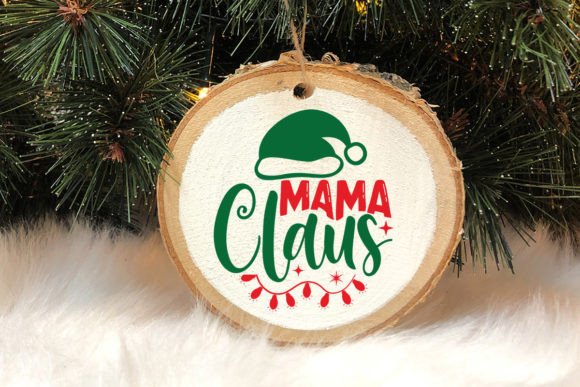
Mama Claus: A Designer’s Embroidery Review
When evaluating a new machine embroidery design for the holiday season, I look beyond the digital preview. As someone who stitches out samples for clients and manages a small shop product line, my first question is always practical: will this design actually perform on fabric? The Mama Claus graphic initially caught my eye as a versatile asset for Cricut and Silhouette users, but its potential as an embroidery project requires a deeper, more technical assessment. This review breaks down how this specific artwork translates from a digital graphic into a tangible, stitched finished product.
First Impressions and Holiday Personality
Mama Claus carries a distinct warmth that separates it from generic Santa clip art. The visual personality feels nostalgic yet clean, striking a balance that appeals to both traditional crafters and modern Etsy sellers. When I first opened the file, the layout suggested a design that wasn't overly cluttered, which is a massive relief for embroiderers. Complex graphics often require significant editing to become viable embroidery files, but the core shapes here appear conducive to stitching.
The mood is undeniably festive without being chaotic. For a handmade product, this matters. Customers buying holiday embroidery are looking for emotional connection. The design’s composition suggests it would serve beautifully as a centerpiece on a sweatshirt embroidery project or a focal point on a tote bag design. It avoids the trap of excessive tiny details that often get lost in thread, making it a strong candidate for items meant to be seen from a distance, like apparel or wall hangings.
Real-World Application: Stitching the Custom Sweatshirt
To truly judge Mama Claus, I mentally mapped it onto a real-life scenario: creating a custom crewneck sweatshirt for a boutique holiday collection. This is a common request for custom apparel decorators. The primary concern with sweatshirts is the fleece backing and the stretch of the knit fabric. A design with too much stitch density can cause puckering or make the garment stiff and unwearable.
In this application, Mama Claus works best if treated as an applique design rather than a full-fill stitch piece. Using fabric for the main body of the character reduces stitch count significantly and adds a premium texture that buyers love. If you are using this for commercial embroidery, consider pairing a cotton print fabric for the dress and hat with a soft felt for the face. This approach maintains the design's integrity while ensuring the personalized gift remains soft and comfortable. For the outline, a clean satin stitch provides definition without bulk, whereas a running stitch might disappear into the fleece texture.
Expanding Beyond Apparel
While apparel is the obvious choice, this graphic has high utility for home goods. I can visualize this working exceptionally well on tea towels or pillow covers. These items typically use woven cotton or linen, which offers a stable foundation for embroidery. Unlike stretchy knits, these fabrics allow for higher detail retention. If you are an Etsy seller focusing on kitchen decor, Mama Claus could be digitized with slightly more intricate internal details because the fabric texture supports finer needles and tighter registration.
Critical Considerations for Hoop Size and Fabric
Not every surface is suitable for this specific aesthetic. There are distinct limitations you must respect to maintain professional quality.
- Small Hoop Sizes: Avoid shrinking Mama Claus below 3 inches. The facial features and any accompanying text will lose clarity. If you need a smaller motif for a baby onesie or cap, extract just the head or a single element rather than forcing the full design into a tiny space.
- Textured Fabrics: On terry cloth or minky, the design needs a water-soluble topping. Without it, the stitches will sink into the pile, and the charm of Mama Claus will vanish. Always test on a scrap of the exact material first.
- Stretchy Performance Wear: Be cautious with activewear. The combination of dense fills and stretchy synthetic fibers often leads to tunneling. Use a cut-away stabilizer specifically designed for performance fabrics and consider reducing density by 10-15%.
- Dark Fabrics: Ensure your thread colors have enough contrast against dark backgrounds. White satin stitches on navy blue require adequate underlay to prevent the fabric color from bleeding through the threads.
Technical Notes for Digital Sellers and Makers
Since Mama Claus is marketed with SVG and EPS formats for print and cut machines, there is a crucial distinction for embroiderers. These vector formats are excellent for vinyl decals and printable mockups, but they are not native digital embroidery files. You cannot simply load an EPS into your machine.
If you are purchasing this asset to create embroidery products, you must either digitize it yourself or purchase a pre-digitized version specifically formatted for your machine (PES, DST, JEF, etc.). Do not assume the included graphics files are stitch-ready. However, having the original vector art is invaluable. It allows you to create crisp design assets for marketing. You can use the SVG to create accurate listing photos and social media previews before you even thread a needle. This saves time and ensures your online presentation matches your physical output.
Licensing and Commercial Integrity
For craft business owners, verifying licensing is non-negotiable. Before listing a small shop product featuring Mama Claus, confirm whether your purchase includes commercial rights for finished embroidered goods versus digital redistribution. Most licenses permit selling physical items like embroidered patches or shirts but prohibit selling the digitized file itself. Respecting these terms protects your shop and supports the original artist. Always keep your license receipt accessible in case of platform audits.
Optimizing Visual Appeal and Customer Trust
The difference between a hobbyist stitch-out and a professional product lies in execution. When using Mama Claus for client work, pay attention to the interplay of light and thread sheen. Rayon threads offer a high shine that enhances the festive nature of the design, while polyester provides durability for items like baby embroidery or kitchen linens that face frequent washing.
Consider the placement carefully. On a tote bag, centering the design too low makes it look droopy when the bag is carried. Raise the placement by an inch to account for the bag's natural sag. For wall decals converted to embroidery, ensure the hoop marks are removed completely; steaming is often necessary for framed pieces. These subtle adjustments signal to the buyer that they are receiving a thoughtfully crafted item, not a mass-produced afterthought.
Final Verdict for the Holiday Workshop
Mama Claus is a promising candidate for holiday production, provided it is approached with technical mindfulness. Its strength lies in its adaptable personality and clean lines, making it suitable for everything from birthday party decorations to heirloom-quality gifts. By respecting fabric limitations, verifying file compatibility, and testing your stabilizer choices, you can transform this digital graphic into a profitable and beautiful addition to your embroidery repertoire. Whether you are making mugs, apparel, or keepsakes, let practical testing guide your creative decisions to ensure every stitch counts.