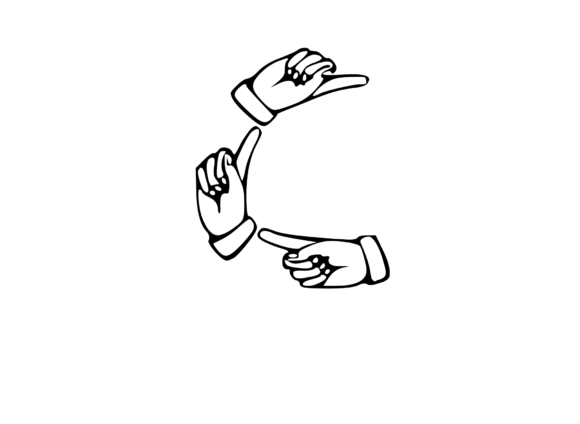
Mono Hand Made Letter C: An Embroidery Review
As a professional embroidery designer and product reviewer, I approach every new machine embroidery design with a critical eye. It is not enough for a graphic to look beautiful on a screen; it must translate into thread, tension, and texture without frustrating the maker or disappointing the customer. When evaluating the Mono Hand Made Letter C, my primary focus is on its versatility as a foundational element in both personal crafting and commercial production. This design sits squarely in the intersection of Crafts and Graphics, offering a monoline aesthetic that suggests organic movement rather than rigid typography. For Etsy sellers, apparel decorators, and hobbyists alike, understanding how this specific letterform behaves under the needle is the difference between a mediocre project and a premium handmade product.
First Impressions: Organic Flow Meets Structural Integrity
The immediate visual appeal of Mono Hand Made Letter C lies in its balanced proportions. Unlike blocky collegiate fonts or overly ornate scripts, this design carries a hand-drawn personality that feels approachable yet refined. In my initial assessment, the line weight appears consistent, which is crucial for maintaining even stitch density during digitization. A monoline style like this often relies heavily on satin stitch columns or specialized running stitches to define its shape. Visually, it creates a mood of artisanal warmth, making it an excellent candidate for projects that need to feel bespoke rather than mass-produced.
For creative entrepreneurs building a brand identity, this letter offers significant flexibility. It does not scream for attention but rather invites the viewer to look closer. This subtlety is valuable when designing merchandise where the logo or initial should complement the garment rather than dominate it. Whether you are creating digital assets for a website or stitching physical samples for a portfolio, the Mono Hand Made Letter C communicates professionalism through its clean, uncluttered silhouette.
Real-World Application: Stitching a Custom Linen Tote
To truly judge the viability of this embroidery file, I mentally placed it into a real-life production scenario: a custom embroidered tote bag intended for a boutique wedding favor line. Tote bags are a staple for craft business owners because they offer a large canvas, but linen and canvas fabrics can be unforgiving if the design is too dense or too sparse.
In this scenario, the Mono Hand Made Letter C serves as the central monogram. Because the design has a handmade quality, it pairs exceptionally well with natural fibers. I envision stitching this in a deep charcoal or navy thread against unbleached linen. The open nature of the letter allows the fabric texture to breathe, preventing the stiff, bulletproof feeling that occurs when fill stitch areas are too packed. For a personalized gift like this, the goal is elegance. The letter C needs to be large enough to be legible from a distance but detailed enough to show craftsmanship up close. If I were producing these for sale, I would position the letter slightly above center to account for the bag’s fold when carried, ensuring the design remains visible. This practical foresight is what transforms a simple graphic into a successful finished product.
Navigating Fabric Challenges and Hoop Limitations
While the Mono Hand Made Letter C is versatile, no design is immune to the physics of embroidery. There are specific environments where this letter requires careful handling. If you are working with stretchy knits for sweatshirt embroidery or baby embroidery, the continuous lines of a mono-style font can cause fabric distortion if the stabilizer choice is inadequate. Cut-away stabilizers are non-negotiable here to prevent the letter from puckering or losing its shape after washing.
Size is another critical variable. While this letter likely scales well, reducing it below a certain threshold can compromise stitch clarity. Thin satin columns may turn into jagged lines if resized too small, while enlarging it excessively might expose gaps in the stitching if the digitizer did not account for expansion. Always verify the recommended hoop size and minimum dimensions before committing to a project. Additionally, curved surfaces like caps present unique challenges. The lateral span of the letter C means it could distort on the sides of a structured cap. In such cases, testing on a scrap piece of similar curvature is essential to ensure the top and bottom curves remain symmetrical.
Dark fabrics also demand attention. If the Mono Hand Made Letter C relies on fine detail, using a low-contrast thread color on black or navy fabric will cause the design to disappear visually. High contrast is key for readability, especially in commercial embroidery where brand recognition matters. Conversely, on white or light fabrics, ensure your bobbin thread matches the top thread to prevent shadowing through lightweight materials.
Elevating Product Value and Customer Trust
Using a high-quality design like Mono Hand Made Letter C directly impacts perceived value. Customers can distinguish between generic clip art and thoughtful design. When this letter is stitched cleanly, with smooth curves and proper registration, it signals to the buyer that the maker cares about details. This builds trust, particularly for Etsy sellers relying on reviews and repeat business. A well-executed monogram on a holiday embroidery item or a nursery blanket suggests heirloom quality, justifying a higher price point.
Furthermore, consistency across products strengthens brand identity. If you use this letter for your shop logo, packaging stickers, and product tags, it creates a cohesive visual language. Even as a digital embroidery file sold to other makers, the utility of this design increases when buyers see it applied successfully across various mediums. Providing printable mockups showing the letter on different substrates helps potential customers visualize its application, reducing hesitation and increasing conversion rates.
Essential Designer Notes for Success
Before loading this design into your machine or listing it in your shop, adhere to these professional best practices:
- Test Stitch First: Never assume a digital preview equals reality. Run a test on scrap fabric that matches your final project’s weight and weave to check tension and coverage.
- Verify Licensing: Confirm whether your purchase includes commercial rights for selling finished goods or if it is limited to personal use. This is vital for protecting your small shop product line.
- Check Thread Colors: Simulate the design in your software using actual thread brand colors to ensure the palette translates well from screen to fabric.
- Inspect Small Details: Zoom in to 100% in your editing software to check for overlapping stitches or unnecessary jumps that could mar the finish.
- Stabilizer Selection: Match your backing to the fabric stability. Use tear-away for stable wovens and cut-away for knits or stretchy materials.
- Mockup Validation: Create black and white versions of your mockups to test contrast and legibility independent of color bias.
- File Format Compatibility: Ensure the embroidery file format matches your machine’s requirements before purchasing or downloading.
The Mono Hand Made Letter C represents a strong asset for makers who value aesthetics and functionality. By treating it with the technical respect it deserves—testing, stabilizing, and contextualizing—you transform a simple graphic into a signature element of your creative work. Whether adorning a tote bag design, enhancing custom apparel, or serving as a cornerstone for your design assets, this letter proves that thoughtful simplicity often yields the most enduring results.