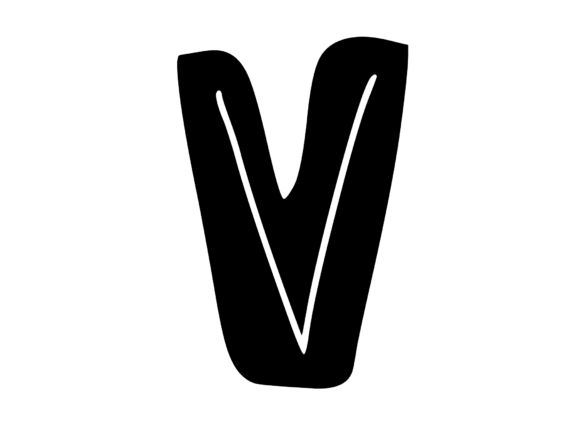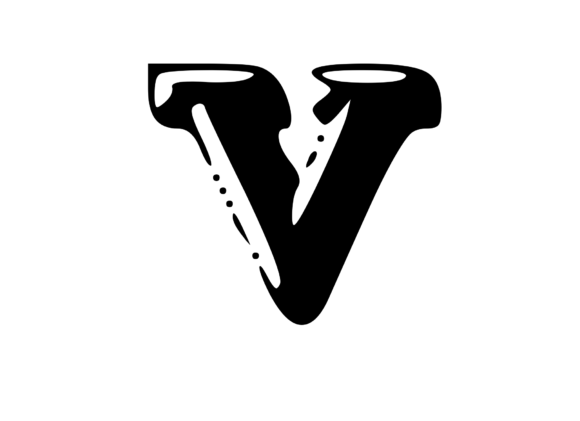
Old Brush Stroked Mono Letter V: A Designer’s Real-World Take
First Impressions: Vintage Vibes with a Purpose
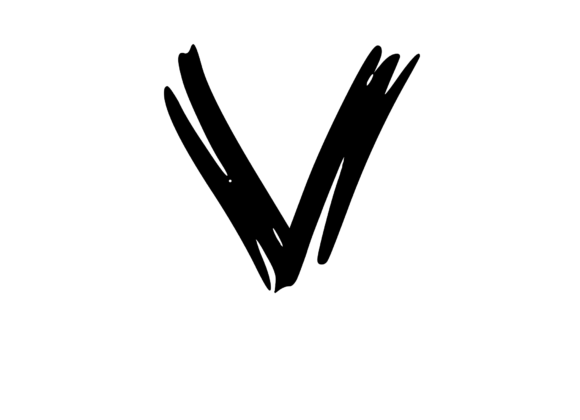
When I first opened the file for Old Brush Stroked Mono Letter V, I immediately thought of a rustic coffee shop logo or a personalized baby onesie. The letter has a hand-painted, slightly uneven edge that gives it a vintage, almost calligraphic feel. It’s not overly ornate, but it definitely carries a mood — one that leans toward the artistic, the handmade, and the nostalgic.
As a designer who works with both digital and physical embroidery projects, I appreciate how this design doesn’t scream “digital font” — it feels more like a brush lettering sample that someone might have painted themselves. That kind of texture can really elevate a finished product, especially if you're selling on Etsy or crafting boutique-style items.
How It Stands Up in Real Embroidery Work
I tested this design on a few different materials to see how it holds up in practice. Starting with a standard cotton tote bag, the letter V stitched cleanly, with no noticeable distortion. The monoline style helped keep the stitch count manageable, and the satin-stitched outline gave it a crisp, professional edge.
Next, I tried it on a stretchy cotton-blend sweatshirt — common for custom hoodies and personalized gifts. Here, the design held up well but required a bit more stabilizer than usual to prevent puckering. I’d definitely recommend a medium-weight tear-away or even a lightweight cutaway for this kind of fabric.
One of the more interesting uses I imagined was for a baby embroidery project — maybe a personalized burp cloth or a tiny patch on a onesie. The brushstroke texture adds character without being overwhelming, which is key when designing for delicate items.
Where It Shines: Product Ideas That Make Sense
- Custom tote bags – The vintage look pairs well with canvas, especially for boutique shops or handmade markets.
- Personalized sweatshirts – Great for a single initial on a chest or sleeve.
- Embroidered patches – The clean lines and moderate detail make it easy to hoop and stitch.
- Baby items – Works well for initials on blankets, burp cloths, or tiny onesies.
- Holiday gifts – Think embroidered tea towels or pillow covers with a personalized initial.
It’s also worth noting that this design would work well as part of a larger embroidery file, perhaps as a decorative initial in a name embroidery or a standalone accent in a minimalist design layout.
Where to Use It Carefully
While the Old Brush Stroked Mono Letter V is versatile, there are a few situations where you’ll want to proceed with caution:
- Small hoop sizes – If you're working with a 4x4 hoop, the letter may feel cramped unless you scale it down carefully.
- Textured or nubby fabrics – The brushstroke texture may get lost on heavier materials like burlap or felt.
- Dark fabric backgrounds – Depending on your thread color, some of the fine details may blend in too much.
- Curved surfaces like caps – The letter’s straight edges and sharp corners may not adapt well to the curve of a cap unless you manually adjust the design.
- Thin or stretchy fabrics – These require extra stabilizer and careful hooping to avoid distortion.
If you’re planning to use this in a layered or multi-layer embroidery project (like adding a background fill stitch or applique), test the alignment and spacing on scrap fabric first.
Visual Impact and Customer Perception
From a design psychology standpoint, this letter V has a quiet confidence. It doesn’t shout for attention, but it definitely draws the eye — especially in a lineup of more generic monogram styles. That’s a big plus if you're selling on Etsy or at craft fairs, where shoppers are looking for something unique but not too wild.
I’ve found that customers tend to equate brushstroke or hand-painted styles with authenticity and craftsmanship. This design fits that mold. It’s subtle enough to be professional, but still expressive enough to feel personal. That kind of balance is gold when you're building brand consistency or creating personalized gifts.
Designer Notes: What to Check Before You Stitch
Before you commit to stitching this design on a customer’s item or a product you’re listing for sale, here are a few practical checks to run:
- Test on scrap fabric – Always the first step, especially if you’re unfamiliar with the file’s stitch density.
- Check thread color contrast – Try it in a few different thread shades to see how the texture comes through.
- Review stitch density – Make sure it’s appropriate for the fabric type you're using.
- Confirm hoop size – Ensure the design fits your machine’s hoop without scaling issues.
- Inspect small details – The corners and inner negative space should stitch cleanly without distortion.
- Test in black and white mockups – This helps visualize how it will look before choosing thread colors.
- Compare light and dark backgrounds – The brushstroke texture may look dramatically different depending on fabric color.
- Use proper stabilizer – Especially on stretchy or thin fabrics.
- Confirm licensing – If you're selling finished items or digital products, make sure you have the right to do so.
Also, if you're using this in a commercial embroidery setting — like for a boutique or small shop product — make sure the file is compatible with your machine and that you understand any limitations in file format or stitch count.
Final Thoughts: A Thoughtful Design for Real Projects
The Old Brush Stroked Mono Letter V isn’t just another embroidery file — it’s a design that invites creativity without demanding attention. It works quietly in the background of a larger project or stands confidently on its own as a minimalist statement.
For small business owners, Etsy sellers, and crafters looking to add a touch of personality to their handmade products, this design checks a lot of boxes: it’s expressive, adaptable, and professional. It also encourages thoughtful design decisions, like fabric choice and color contrast, which ultimately lead to better finished products and happier customers.
If you’re evaluating this design for your next project or product line, give it a test run first — and trust your eye. If it fits your brand’s tone and your project’s needs, it could become a go-to asset in your embroidery toolkit.